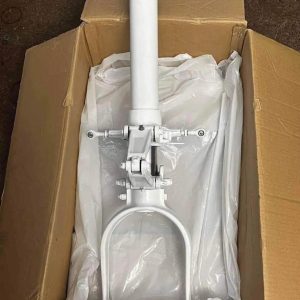
The Cessna Nose Gear Strut Assembly combines load support, controlled compression, wheel positioning, and steering-related functions within the aircraft’s complete landing-gear system.
Accurate use of these keywords improves search relevance without implying universal compatibility across the Cessna product line.
A Cessna Front Landing Gear Assembly may include an Aircraft Nose Gear Strut, wheel fork, steering parts, attachment hardware, seals, bearings, and other model-specific components.
These related terms help connect the product with aircraft owners, maintenance facilities, restorers, and general aviation parts buyers.
General Aviation Landing Gear Parts listings should provide exact identification, condition, measurements, records, and included components for professional evaluation.
Reviewing the Cessna Front Gear Configuration
Every dash number, suffix, revision, modification, and subcomponent marking should be recorded because similar-looking Cessna nose gear assemblies may not be interchangeable.
Included items may vary and can involve the strut body, piston, fork, axle, torque links, steering collar, seals, bearings, spacers, hardware, wheel, or tire.
Managing Taxi and Landing Forces
Actual load distribution depends on aircraft weight, center of gravity, tire pressure, landing technique, surface condition, and aircraft configuration.
Any evidence of previous impact should be disclosed and investigated.
Understanding the Cessna Shock Strut Assembly
Complete functional evaluation is more reliable than visual appearance alone.
The aircraft’s actual loaded condition affects visible strut extension and should be considered during evaluation.
Inspecting Steering Links and Torque Components
Correct geometry supports more consistent taxi and landing-roll control.
The buyer should inspect torque links, attachment bolts, bushings, bearings, and pivot points for looseness or wear.
Aircraft Model and Serial-Range Compatibility
Compatibility depends on the exact Cessna model, aircraft serial-number range, landing-gear configuration, part number, modification status, wheel arrangement, steering system, and surrounding structure.
Cross-reference information should be verified carefully and should include any required supersedures or installation changes.
Checking Chrome and Machined Surfaces
The strut cylinder and piston surfaces should be examined for scoring, corrosion, pitting, scratches, impact marks, discoloration, and evidence of improper tool use.
Internal wear can result from contamination, damaged seals, misalignment, corrosion, or prolonged operation with incorrect servicing.
Inspecting the Nose Gear Strut for Leaks
Repeated wiping without correcting the source does not constitute proper repair.
Seal grooves, backup rings, scrapers, and retaining components should be checked when the assembly is opened.
Evaluating Coastal and Outdoor Storage Damage
Complete corrosion inspection supports responsible General Aviation Landing Gear Parts purchasing.
The component should be stored in a dry, controlled environment before installation.
Checking for Hard-Landing or Towing Damage
The assembly should be inspected for cracks, bending, twisting, damaged welds, distorted mounting features, and impact marks.
The seller should disclose the donor aircraft’s removal reason and known incident history.
Maintaining Wheel and Tire Geometry
Fork alignment influences wheel tracking, steering response, tire wear, and clearance around fairings or nearby components.
Used hardware should not be reused automatically without applicable inspection.
Maintaining Strut Alignment
Excessive play can contribute to wheel misalignment, vibration, shimmy, and accelerated component wear.
Lubrication should follow the applicable schedule and use the appropriate product.
Evaluating Wheel Alignment and Steering Play
Replacing the strut assembly alone may not correct the concern if other components remain defective.
Uneven tire wear can indicate alignment concerns, fork distortion, bearing issues, incorrect pressure, steering problems, or repeated side loading.
Servicing the Cessna Shock Strut
Incorrect fluid, contamination, trapped air, overpressure, or underpressure can affect extension, damping, leakage, ground clearance, and structural loading.
Proper servicing protects the Aircraft Landing Gear Strut and surrounding structure.
Documenting Landing Gear Repair Work
A seal replacement or exterior repaint does not necessarily constitute more info a complete overhaul.
Some components may be repairable while others require replacement.
Aircraft Nose Gear Buying Guide
Any uncertainty regarding fitment, impact history, corrosion, leakage, repairs, or package completeness should be resolved before shipment.
- Compare the assembly with the receiving aircraft’s illustrated parts information, mounting points, steering system, wheel fork, axle, tire, torque links, and approved hardware.
- Confirm total time when known, removal reason, donor aircraft, overhaul history, servicing status, seal replacement, and inspection results.
- Report shipping damage, missing components, identification differences, undisclosed repairs, corrosion, leakage, or dimensional concerns promptly.
Shipping the Cessna Nose Gear Assembly
The chrome or polished piston area should receive protective wrapping that prevents impact and contamination without trapping moisture.
The receiver should inspect the crate for impact, puncture, water exposure, or shifting before opening.
Maintaining Landing Gear Identification
The piston surface should remain covered without using materials that promote corrosion or seal deterioration.
Preservation materials should be removed through appropriate procedures.
Connecting Steering and Structural Components
Incorrect bolts, improvised spacers, damaged threads, or forced alignment should not be accepted.
Disciplined workmanship supports reliable Cessna Front Landing Gear Assembly operation.
A ground check should not replace required maintenance inspection or technical documentation.
Reducing Landing Gear Wear
Lubrication and servicing should follow the applicable maintenance schedule.
Recurring concerns should prompt system-level evaluation rather than repeated isolated adjustments.
Choosing a Documented Aviation Component
A recent professional inspection or overhaul can add value when the scope, findings, measurements, and replaced parts are documented accurately.
Availability of technical information, replacement parts, and qualified maintenance support can influence long-term value.
Final Thoughts on the Cessna Nose Landing Gear Strut
When thoroughly evaluated and correctly installed, the Cessna Nose Gear Strut Assembly can become a valuable component within the aircraft’s complete landing-gear system.
Careful technical and commercial evaluation can reduce compatibility problems, missing-parts expenses, overhaul surprises, installation delays, steering concerns, and documentation issues.
Whether the requirement is a Cessna Nose Landing Gear Strut, Cessna Nose Gear Assembly, Cessna Landing Gear Strut, or Cessna Nose Strut, exact identification should guide the purchase.
With transparent records, protected shipping, correct steering and mounting compatibility, careful alignment, and appropriate maintenance, the Cessna nose gear can support a professional repair project.